
Ort-Kategorie: Attractions
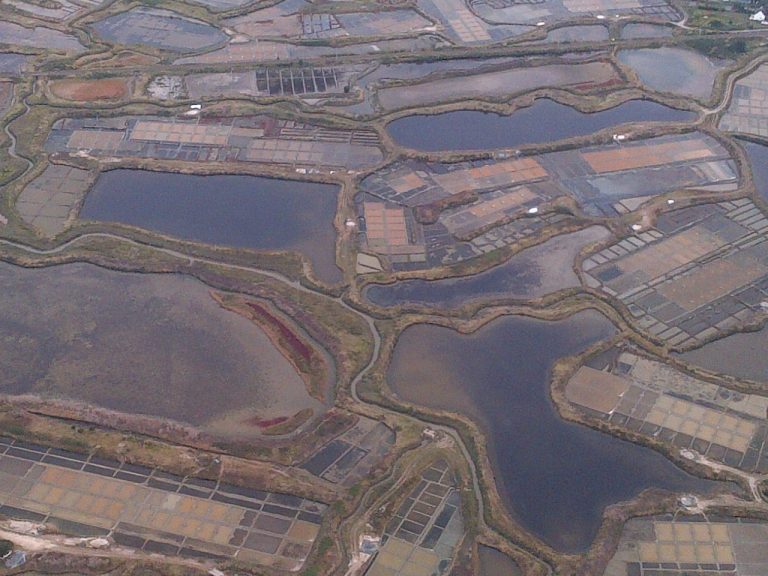
Just a few kilometers from the salty Atlantic beaches and the historic walls of Guérande lies a completely different, almost mystical world: the Brière. Covering more than 50,000 hectares, the Brière Regional Natural Park is one of France’s oldest protected areas and home to the country’s second-largest wetland, surpassed only by the Camargue. Visitors coming here leave the hustle and bustle of daily life behind to immerse themselves in a labyrinth of quiet canals, seemingly endless reed beds, and centuries-old traditions.
The “Black Country” and the Legacy of the Peat Cutters
The Brière is a landscape deeply intertwined with the history of its inhabitants. Once a vast peat bog, the region is also known as the “Pays Noir” (Black Country) due to its rich peat deposits. For centuries, peat cutting, fishing, and harvesting reeds secured the survival of the people in this vast marshland.
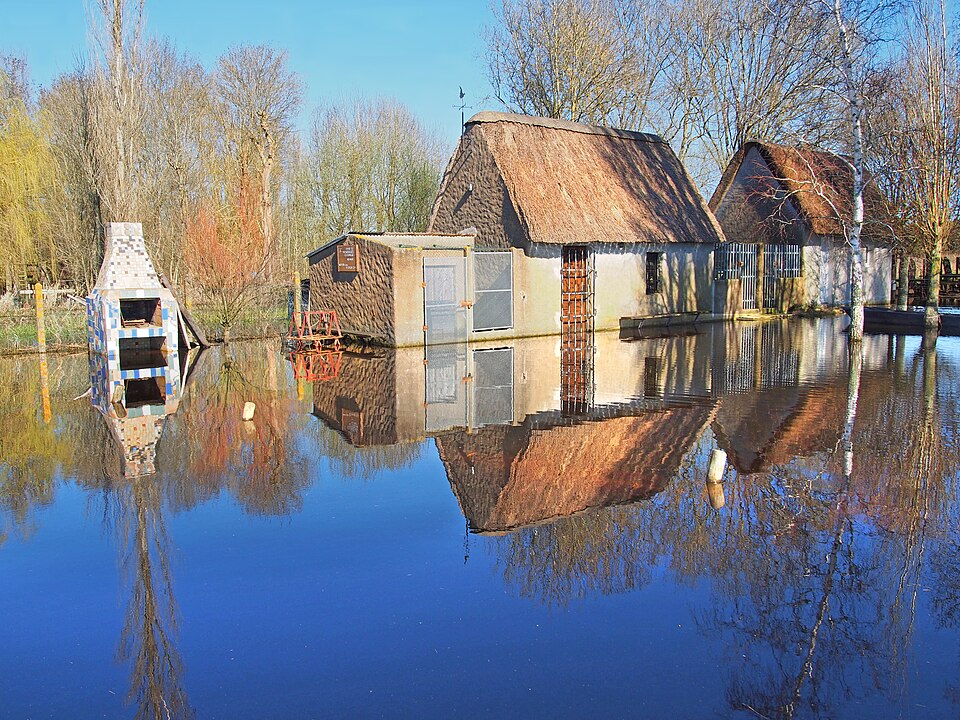
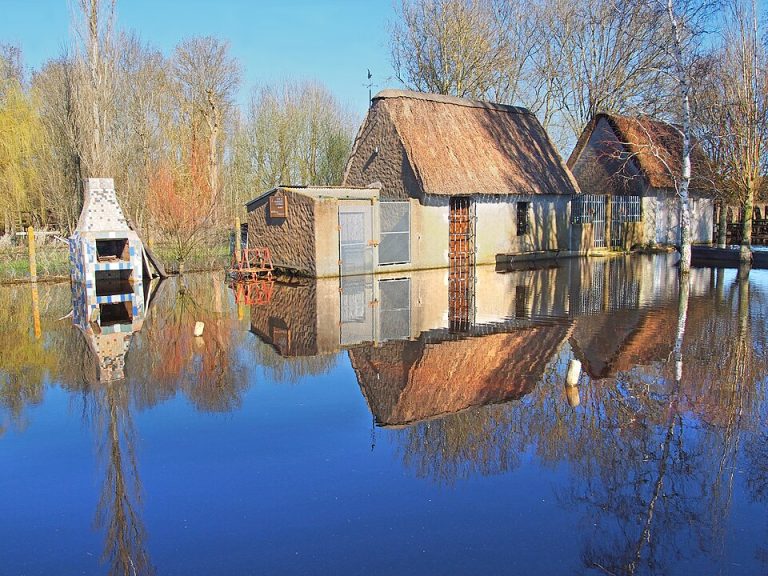
This historical heritage continues to shape the face of the Brière today in a globally unique way: the park boasts one of the highest concentrations of thatched-roof cottages in Europe. Thousands of these picturesque chaumières, with their thick roofs made of dried reeds, dot the villages and islands of the park. This traditional architecture can be admired in a particularly impressive way in the restored museum village of Kerhinet or on the circular Île de Fédrun, where the houses are lined up like pearls on a string along the water’s edge.
Silently Through the Canals: A Journey on a Chaland
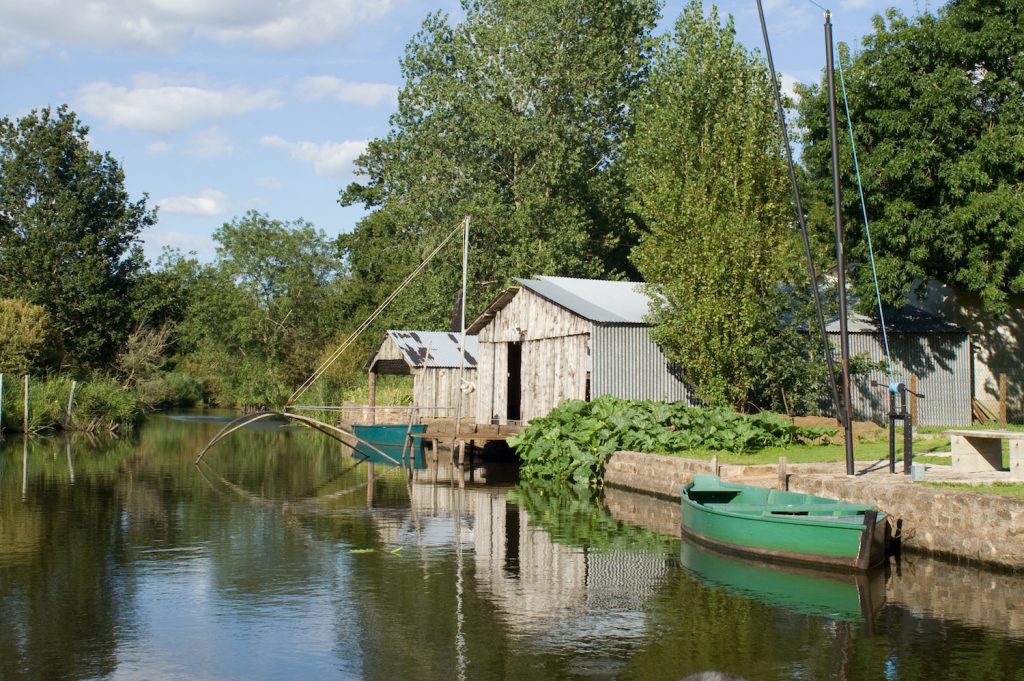
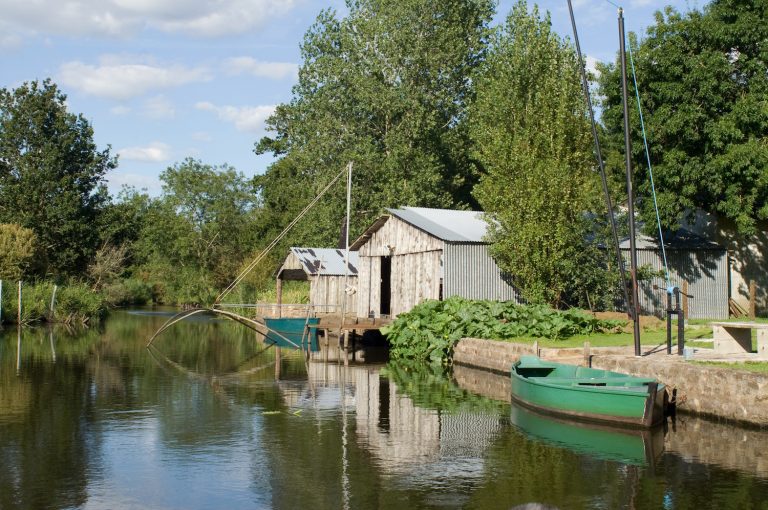
The heart of the park is the marsh itself, the Grande Brière. To truly experience this untouched wilderness, you have to leave your car behind. The classic way to get around is the chaland—a traditional, flat-bottomed wooden boat that locals historically propelled using a long pole.
On a guided boat tour, you glide almost silently through narrow channels lined with towering reeds. It is a journey of pure tranquility, offering an up-close encounter with unique flora and fauna. The Brière is considered a biological treasure and a vital sanctuary for European waterbirds. If you keep your eyes peeled, you can spot majestic grey herons, rare marsh harriers, or, during spring and summer, even storks foraging in the wet meadows.
An Endless Horizon Across the Seasons
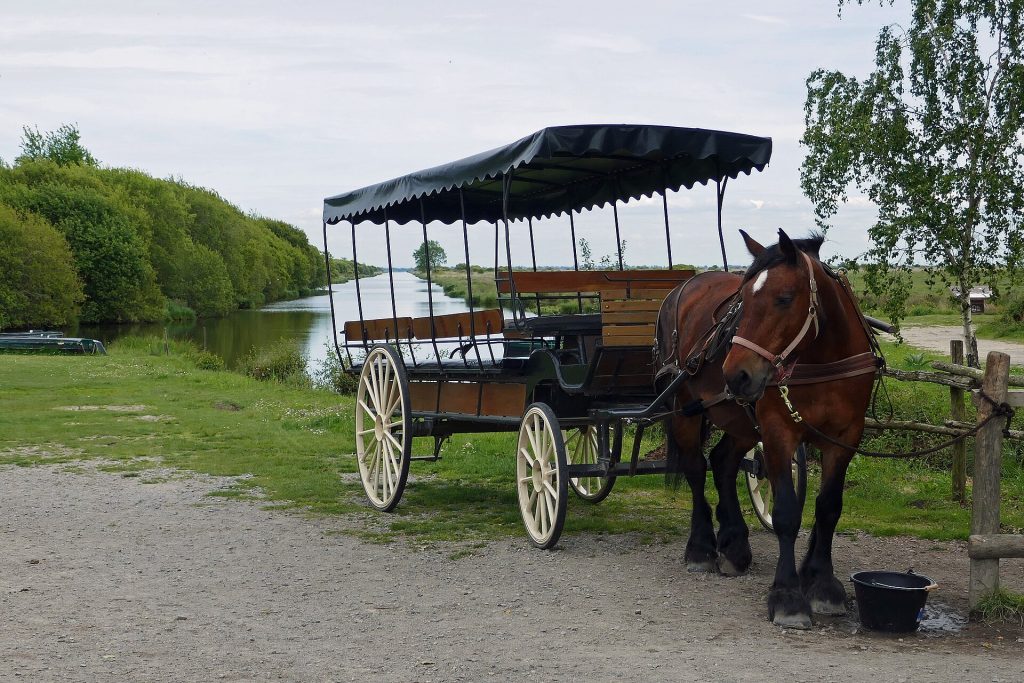
For active travelers, the Brière offers an excellent network of hiking trails and cycling routes that lead across the small islands rising from the marsh. A special tip for photographers and nature lovers is a visit to the port of Port de Rozé. There, a footbridge leads to a modern, 24-meter-high observation tower (Belvédère). From the top, you are treated to a breathtaking panoramic view stretching across the entire wetland all the way to the horizon.
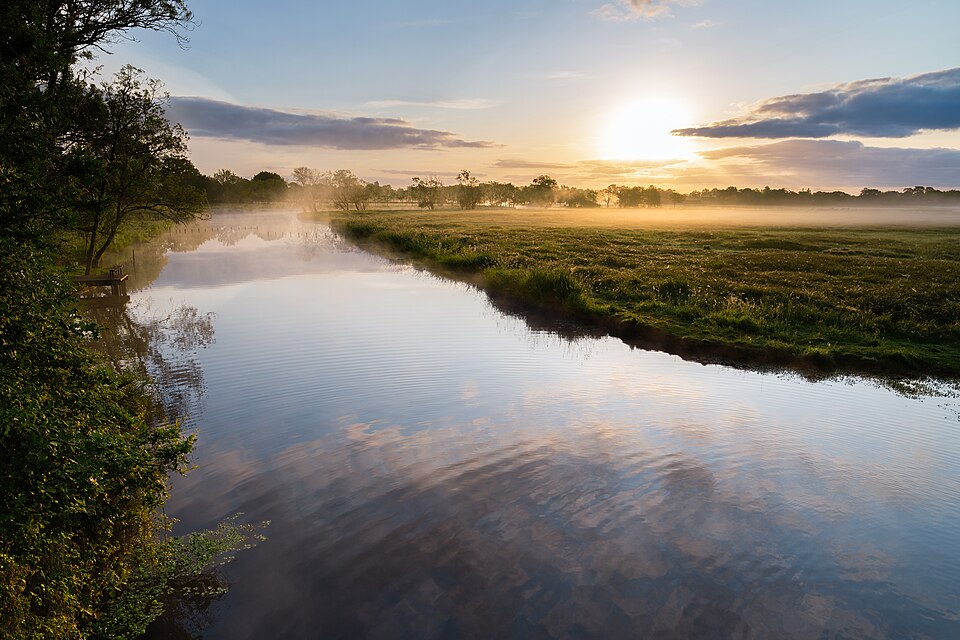
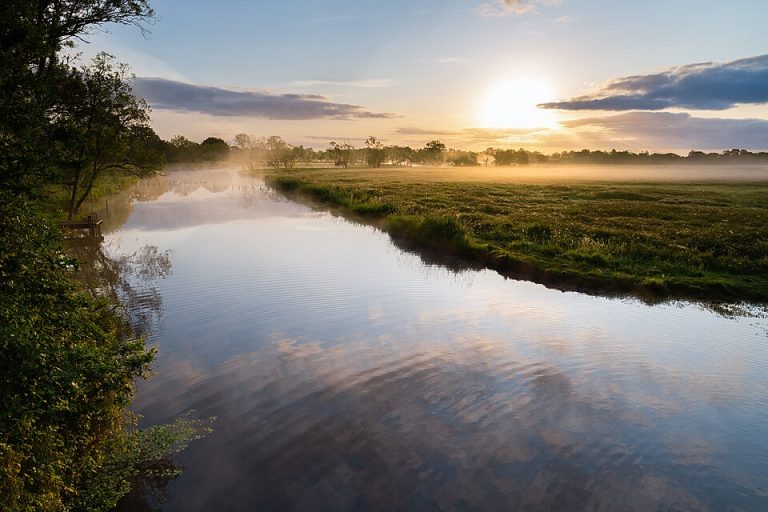
No matter what time of year you visit the Brière, the landscape constantly reinvents itself. While spring and summer burst with lush greenery, autumn transforms the reed beds into a golden, swaying sea, before winter brings mysterious mist rising over the water, giving the park an almost fairytale-like, melancholic atmosphere. Anyone searching for the wild side of western France will find it here.